.svg)
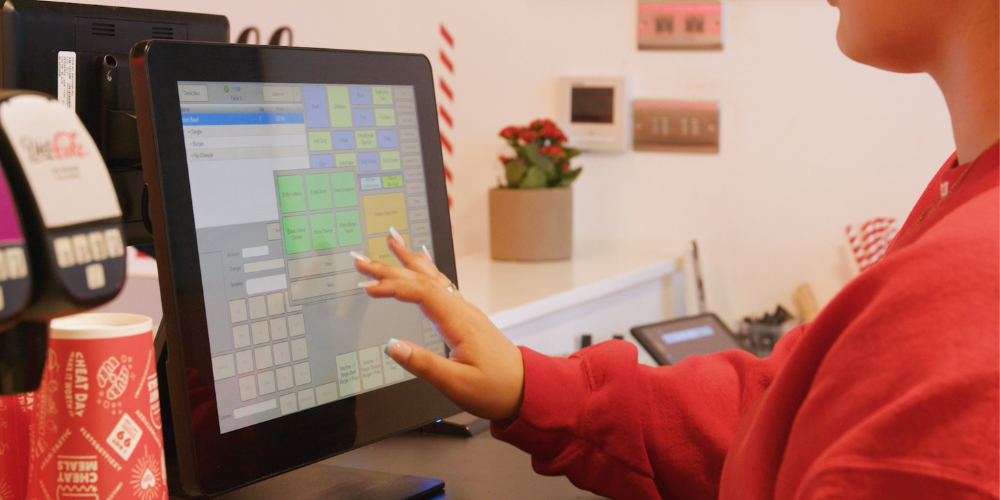
Choosing the right EPOS system is crucial for restaurant success in 2026. The right system can streamline operations and enhance customer experiences.
As technology evolves, so do the features of EPOS systems. Restaurant owners must stay informed about these advancements.
In 2026, best EPOS system for restaurants in UK will offer more than just transaction processing. They will integrate advanced technologies like AI and machine learning.
These systems will provide predictive analytics and personalised customer experiences. Cloud-based solutions will offer flexibility and real-time data access.
Mobile or tablet POS capabilities will allow staff to take table-side orders and process payments. This enhances service speed and customer satisfaction of table service.
Integration with other management tools will be essential for streamlined operations. Advanced data analytics will offer insights into sales trends and customer preferences.
Security features will protect customer data and prevent fraud. Scalability will ensure systems can handle growth and increased transactions.
Choosing the right EPOS system will be key to restaurant success in 2026.
Why Choosing the Right EPOS System Matters in 2026
The right EPOS system is vital for modern restaurants. It enhances efficiency and improves customer satisfaction. In 2026, EPOS till systems for restaurants will have advanced POS features. These features will drive business growth and streamline operations.
A suitable restaurant point of sale system can handle multiple tasks. It reduces human error, manages transactions, and provides valuable data.
An integrated EPOS system simplifies restaurant management. It connects inventory, staff scheduling, and accounting seamlessly.
With evolving technology, security becomes paramount. POS systems for restaurant with robust security features protect sensitive data.
Restaurants need systems that grow with their business. Scalability ensures that EPOS systems adapt to increased demands.
Consider the following when choosing an EPOS system:
- Advanced integration with management tools
- Real-time data analytics and reporting
- Enhanced payment and security options
- Cloud-based and mobile functionality
- Customisation and scalability
Selecting the right EPOS system can transform restaurant operations. It can lead to improved customer experiences and increased profitability.
Feature 1: Advanced Integration Capabilities
In 2026, the ability of an EPOS system to integrate seamlessly with existing tools will be crucial. Restaurants rely on multiple systems to manage diverse operations. From inventory tracking to customer relations, integration simplifies management tasks.
Advanced integration enables real-time data synchronisation. This ensures that information across platforms is consistent and up-to-date. Restaurants benefit from fewer manual updates and reduced errors.
EPOS systems need to work well with various restaurant management tools. This collaboration enhances operational efficiency. It also allows better control over all aspects of a restaurant's operations.
With integrated systems, restaurants can analyse operations holistically. They can see how changes in one area affect others. This insight is key to strategic decision-making.
Look for EPOS systems that support these integrations:
- Inventory management tools
- Staff scheduling software
- Customer relationship management (CRM) systems
- Table management with floor plans
Integration is about creating a cohesive ecosystem. Each tool should complement others to drive success.
Choose systems with open APIs or partnerships with popular apps. This flexibility ensures compatibility with different solutions. It future-proofs the restaurant against evolving technological demands.
Effective integrations save time and money. They streamline workflows, allowing staff to focus on delivering quality service.
When integration capabilities align with restaurant needs, operations become smoother. This often leads to enhanced customer experiences.
Remember, the goal is to have a comprehensive and connected system. It should simplify tasks, reduce errors, and improve operational agility.
Seamless Integration with Restaurant Management Tools
Seamless integration supports efficient restaurant operations. It connects various management aspects into a single platform.
An integrated EPOS system reduces complexity. It provides a unified view of restaurant performance, allowing for better decision-making.
Such integration can include:
- Coordination between inventory and sales
- Synchronisation of staff schedules with peak service times
- Automated updates in customer databases
By streamlining these tasks, restaurants reduce human error and save time. The result is a well-managed and responsive business.
Third-Party Delivery and Online Ordering Integration
In 2026, online ordering is expected to grow even more. A robust EPOS system should support third-party delivery services. It should also integrate well with online ordering platforms.
Effective integration boosts restaurant reach. It enables seamless processing of online and takeout orders. This integration should feature:
- Quick access to popular delivery services
- Real-time order updates for better accuracy
- Simplified customer interactions for smooth experiences
By integrating these services, restaurants can expand their market. Customers enjoy quick and reliable service, enhancing satisfaction.
Accounting, Inventory, and Staff Scheduling Sync
Synchronisation among accounting, inventory, and staff scheduling is vital. It provides a comprehensive view of restaurant operations.
This synchronisation allows for:
- Accurate financial reporting
- Optimised inventory levels
- Efficient staff utilisation
An EPOS system that integrates these elements ensures data consistency. This consistency results in better financial management and resource allocation.
EPOS systems should offer real-time syncing capabilities. These capabilities reduce the chance of errors in stock levels and financial data.
Choose systems with:
- Automated updates for accounting reports
- Real-time stock monitoring
- Staff scheduling flexibility based on demand
By syncing these functions, restaurants can operate more efficiently. Managers receive insights needed for strategic planning and data-driven decision making.
Better resource management leads to reduced costs. It improves service quality and enhances overall restaurant performance.
Feature 2: Real-Time Data Analytics and Reporting
In 2026, real-time data analytics will be indispensable for restaurant success. EPOS systems with strong analytics capabilities provide insights into every facet of operations. They transform raw data into valuable information that drives strategic decisions.
These insights allow restaurant owners to identify trends and optimise processes. With real-time analysis, you can make swift adjustments to enhance efficiency. Restaurants benefit from improved resource allocation and reduced waste.
By using analytics, restaurants can pinpoint popular menu items. This helps in adjusting inventory orders more precisely. Furthermore, predictive analytics feature in advanced EPOS systems can forecast future trends, reducing guesswork.
For effective restaurant management, look for EPOS systems with analytics that cover:
- Sales reports with trends and forecasting
- Customer behaviour patterns
- Operational efficiencies
The power of analytics lies in its ability to tailor experiences. Personalisation based on data insights can boost customer satisfaction and retention.
An analytics-driven approach offers competitive advantages. It empowers restaurants to anticipate changes and respond proactively. This agility is crucial in a rapidly changing market landscape.
To optimise operations, consider systems that provide customisable reporting. Managers can focus on metrics most relevant to their goals. This flexibility ensures that analytics drive meaningful improvements.
Restaurants that utilise data effectively can improve service delivery. They can also enhance menu offerings based on customer preferences.
Predictive Analytics and AI-Driven Insights
Incorporating AI into EPOS systems revolutionises data use. Predictive analytics leverage past data to forecast future trends. This foresight is essential for staying ahead in a competitive environment.
AI-driven insights can uncover patterns not visible to the human eye. They optimise pricing strategies and menu adjustments with precision.
EPOS systems offering predictive analytics should include:
- Sales forecasting tools
- Customer segmentation analysis
- Demand prediction and inventory optimisation
These features empower restaurants to plan more effectively. Decisions become data-informed, reducing risk and improving outcomes.
Customisable Dashboards and Reporting Templates
Customisation is key to effective data utilisation. EPOS systems should offer dashboards that cater to diverse business needs.
Customisable dashboards allow for tailored views. Managers can prioritise key metrics for quick access. This customisation leads to more efficient data interpretation.
Look for features such as:
- Editable reporting templates
- Personalised dashboard configurations
- Quick access to critical data points
These functionalities ensure relevant information is always at hand. Swift access to the right data facilitates prompt, informed decisions.
Actionable Data for Restaurant Management
Data becomes a true asset when it informs action. EPOS systems should convert analytics into practical insights. These insights drive improvements in various operational areas.
Actionable data helps in optimising the customer experience. For example, identifying peak hours allows for better staff management.
EPOS systems focusing on actionable insights offer:
- Real-time performance alerts
- Interactive data exploration tools
- Easy-to-understand visuals
By translating data into action, restaurants can enhance efficiency. This might include adapting services to meet changing customer preferences.
Moreover, actionable data can significantly improve financial outcomes. When leveraged correctly, it guides cost-reduction strategies and revenue maximisation.
Utilise systems that offer a holistic view of operations. These should seamlessly integrate data from different sources. The goal is to transform insights into efficient, real-world applications.
Feature 3: Enhanced Payment and Security Options
In the fast-paced restaurant industry, seamless transactions are paramount. As of 2026, the ability to offer various payment methods enhances customer satisfaction. This flexibility is crucial for meeting diverse preferences.
EPOS systems should not only facilitate smooth transactions but also ensure security. Protecting customer data from breaches has never been more vital. A reliable system must guard against unauthorised access and cyber threats.
Advanced EPOS systems blend payment convenience with robust security protocols. They manage high transaction volumes without compromising safety. This combination builds trust and encourages repeat business.
Enhanced payment options encourage spending and improve the checkout experience. Also, ensuring data privacy reinforces the customer's confidence. This dual focus is essential for building a loyal client base.
When choosing an EPOS system, prioritise ones with comprehensive security features. Look for:
- Versatility in card payments options
- Strong encryption practices
- Compliance with industry standards
A balanced approach to payment and security supports both operational efficiency and customer trust.
Contactless and Multi-Method Payment Support
Contactless payments are now a staple in modern restaurants. They streamline transactions and improve the dining experience. Offering multiple payment methods meets the needs of varied clientele.
An EPOS system should accommodate these trends by supporting:
- NFC (Near Field Communication) technology
- Mobile wallets like Apple Pay and Google Pay
- Traditional credit and debit cards
Providing flexibility in payments can significantly reduce wait times. Customers appreciate the convenience of choosing their preferred method. This efficiency translates into better customer service and increased satisfaction.
End-to-End Encryption and Data Privacy
Data privacy is critical in today's digital environment. End-to-end encryption ensures that sensitive customer data remains secure throughout the transaction process. It shields information from potential breaches or theft.
To prioritise security, choose EPOS systems that feature:
- Strong encryption algorithms
- Regular security updates
- Comprehensive data protection policies
These features work together to maintain customer trust. Protecting data is not just a technical requirement; it's a business imperative.
Fraud Detection and Compliance Standards
Fraud detection features are a necessity for secure transactions. Advanced EPOS systems use AI to identify suspicious activities. This proactive approach minimises risk and protects revenue.
For robust fraud prevention, look for systems with:
- Real-time transaction monitoring
- AI-driven anomaly detection
- Automated alerts for potential fraud
Equally important is compliance with industry standards like PCI DSS. Adhering to these standards helps protect both customer data and business reputation.
Staying compliant with these standards is non-negotiable. They are essential for safeguarding sensitive financial information. Moreover, strong security provides invaluable peace of mind.
In summary, the integration of payment and security features in an EPOS system is vital. It ensures a smooth, secure experience for both staff and customers.
Feature 4: Cloud-Based and Mobile POS Functionality
The evolution of EPOS systems towards cloud-based and mobile solutions marks a significant shift. These advancements offer restaurants unparalleled flexibility and efficiency. Cloud-based systems streamline operations by providing real-time data access across multiple locations. This capability is essential for restaurant chains aiming to maintain consistent service quality.
Mobile POS systems further enhance service by enabling tableside ordering and payment processing. Servers no longer need to rush between tables and the central POS station. Instead, they can provide better service, reducing wait times and improving customer satisfaction.
A cloud-based setup also supports automatic updates, ensuring the system remains current without manual interventions. This feature minimises disruptions and keeps operations seamless. Additionally, cloud systems can scale effortlessly, accommodating business growth and seasonal fluctuations.
Security is another benefit of cloud-based systems. Regular updates and backups protect against data loss, while encryption safeguards customer information. A robust security framework is critical to maintaining trust.
Choosing a cloud-based EPOS system allows restaurants to harness technology for improved service and streamlined management. This approach aligns with modern demands for flexible and efficient operations.
Benefits of Cloud-Based EPOS Systems
Cloud-based EPOS systems transform how restaurants manage operations. They offer numerous advantages that cater to modern business needs. Real-time data access helps managers make informed decisions swiftly.
Key benefits include:
- Centralised data management
- Easy scalability for growing businesses
- Automatic software updates
These systems reduce the complexity of managing IT infrastructure. No physical servers mean less maintenance and more focus on customers. Restaurants can operate efficiently while ensuring data security and compliance.
Mobile POS for Tableside Ordering and Payments
Mobile POS solutions have revolutionised customer service in restaurants. By enabling tableside ordering, they enhance guest interaction and speed up service. This approach reduces errors and delivers orders faster.
A mobile POS system supports:
- Instant order transmission to the kitchen
- Quick bill settlements at the table
- Enhanced upselling opportunities
With mobile POS, staff engage more with diners, enriching the dining experience. This connection fosters loyalty and encourages repeat visits.
Offline Mode and Business Continuity
Business continuity is crucial for restaurants, and offline capability is a key feature. During internet outages, an EPOS system should continue processing orders and payments. This feature ensures that operations run smoothly even when connectivity issues arise.
Important offline benefits include:
- Sustained transaction processing without internet
- Automatic data syncing once connectivity restores
- Zero disruption in customer service
Maintaining operations during disruptions protects revenue and customer trust. Offline mode is a safety net that keeps your business running efficiently. In a world reliant on digital transactions, having a backup ensures reliability.
Cloud and mobile technologies in EPOS systems provide restaurants with tools to adapt and excel. These features cater to the fast-paced dining environment of today, making them indispensable.
Feature 5: Customisation, Usability, and Scalability
In 2026, a restaurant's success heavily depends on the adaptability of its EPOS systems. The ability to customise, ensuring ease of use and scalability, is essential. These features enable restaurants to tailor their systems to fit unique needs and scale effortlessly.
A well-designed interface reduces training time, which saves costs and enhances employee satisfaction. With intuitive designs, systems minimise errors and optimise efficiency, paving the way for a smoother operation. Customisable systems can adapt to evolving market trends, allowing quick adjustments in menu options and pricing.
Furthermore, scalability ensures that as your restaurant grows, the EPOS system can evolve too. It should efficiently handle increased transactions and support additional locations. This adaptability helps maintain a consistent level of service, which is vital for customer satisfaction.
The ability to integrate multiple languages is a crucial feature, accommodating diverse staff and clientele. It breaks language barriers, facilitating smoother communication. Ensuring a multi-language interface caters to a broader audience, both within the staff and the customer base.
When selecting an EPOS system, look for one that provides robust support. This includes comprehensive training materials and customer service that ensures seamless implementation. A supportive provider is instrumental in harnessing the full potential of a customisable, user-friendly, and scalable EPOS system.
User-Friendly Interface and Training Resources
A user-friendly interface is crucial for efficient operation. When EPOS systems are intuitive, they streamline employee tasks and improve productivity. Systems designed with simplicity in mind reduce errors.
Key benefits of user-friendly systems include:
- Faster employee training
- Enhanced operational efficiency
- Reduced errors in order processing
Comprehensive training resources further enhance usability. Access to tutorials and support enables staff to leverage all features effectively. This investment in training pays off in streamlined operations and improved service quality.
Menu, Pricing, and Multi-Language Customisation
Customisation is a major asset for modern EPOS systems. The flexibility to adjust menus and pricing quickly ensures competitiveness. Restaurants can respond swiftly to trends and customer preferences.
Customisation options to look for include:
- Dynamic menu and price adjustments
- Support for promotional pricing
- Multi-language interfaces for diverse teams
Tailoring the system to meet language needs enhances communication, ensuring smoother service for guests and staff alike.
Scalability for Multi-Location and Growing Restaurants
Scalability is a pivotal consideration for restaurants planning to expand. An EPOS system should effortlessly accommodate growth, supporting multi-location operations. This ensures consistency across all branches.
Features indicating strong scalability include:
- Support for increasing transaction volumes
- Consistent service quality across locations
- Easy integration of new sites and terminals
A scalable system aligns with business growth, offering uninterrupted service quality as operations expand. This feature ensures that operational challenges do not hinder restaurant growth, ensuring long-term success.
Bonus: Future-Proofing Your Restaurant with Innovative EPOS Features
The future of restaurant technology is both exciting and demanding. As we look towards 2026, restaurants need EPOS systems equipped with cutting-edge innovations. These features will help secure a competitive advantage and ensure long-term success.
Emerging technologies like AI and machine learning are crucial. They provide predictive insights that anticipate customer trends and optimise inventory management. AI-driven menu recommendations can enhance the dining experience and boost sales.
Experts expect augmented reality (AR) to transform the customer interface. It offers immersive experiences that could redefine engagement, making interactions memorable. This technology can present menus in interactive formats, enhancing customer decision-making.
Voice-activated commands are another promising development. They simplify operations, enabling hands-free functionality that speeds up service and improves hygiene. This feature is particularly valuable during busy periods.
Features worth integrating include:
- AI-driven insights
- Augmented reality interfaces
- Voice-activated commands
- Seamless integration with new technologies
Future-proofing with these innovative features positions restaurants to not just meet but exceed customer expectations. This strategic approach ensures operational efficiency and elevates customer experiences, laying a solid foundation for enduring success.
How to Evaluate and Choose the Best EPOS System for Your Restaurant
Selecting the ideal EPOS system can transform your restaurant operations. Start by evaluating your specific needs. Consider both current requirements and future growth plans.
Determine key features that align with your business model. Focus on integration capabilities and data analytics functions. These elements help streamline operations and enhance decision-making.
User-friendliness is crucial. Ensure the system offers intuitive interfaces that minimise staff training time. Easy navigation can lead to fewer errors and increased efficiency.
Examine support and training resources offered by the provider. Robust customer support can significantly smooth the transition process. Reliable assistance is key for ongoing success.
Cost is another vital consideration. Analyse the pricing structure against your budget constraints. Opt for systems offering flexible pricing models.
Keep these critical factors in mind:
- Business needs and growth plans
- Key features required
- User-friendliness and support
- Cost and pricing flexibility
This structured evaluation helps you select a solution that truly benefits your restaurant.
Frequently Asked Questions About EPOS Systems in 2026
What is an EPOS system?
An EPOS system combines hardware and software to manage sales and operations. It's vital for modern restaurants.
Why choose cloud-based EPOS?
Cloud-based systems offer flexibility and real-time access. They ensure data is available anytime, anywhere.
How do EPOS systems enhance security?
They implement end-to-end encryption and fraud detection. This helps protect against unauthorised access and data breaches.
What features should I prioritise?
Look for integration with other tools, data analytics, and payment flexibility. Focus on those that align with your restaurant's goals.
- Types of EPOS systems
- Benefits of mobile POS
- Importance of integration
- Enhancements in security features
These FAQs highlight key considerations when evaluating EPOS systems for your restaurant. They ensure you're well-informed for making a strategic choice in 2026.
Conclusion: Making the Right EPOS Choice for Restaurant Success
Choosing the right feature rich EPOS system is crucial for your restaurant's growth and success.
Ensure it aligns with your operational needs and future goals. Prioritise integration, security, and usability. Investing in a tailored EPOS system will enhance efficiency, improve customer satisfaction, and support expansion efforts.
Make an informed decision today for a prosperous tomorrow.
For almost 20 years, 3S POS has offered one of the most flexible EPOS systems and Restaurant Payment Solution. Our clients include international brands such as Caffe Concerto, Chaiiwala, Heavenly Desserts, Pepe’s Piri Piri, GDK and thousands more delighted customers.
If you are looking for an EPOS system for restaurants that will not just help you accept payments but includes inventory management, loyalty programs, and much more, speak to our sales for a free demo.