
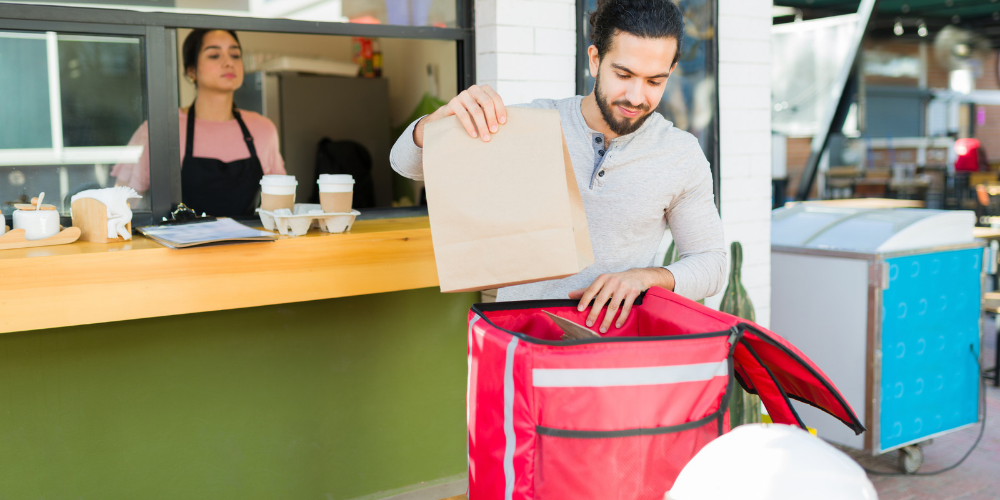
A delivery management system helps UK food businesses manage deliveries end to end. It captures orders, prioritises prep, dispatches drivers, and updates customers. It links the kitchen, front of house, and couriers, so teams can handle volume without losing accuracy. This works whether you run one site in Leeds or many across the South East.
As restaurant online ordering grows, technology is key to stay competitive on delivery apps and direct channels. The right tools can streamline the order process, cut errors, and create a more consistent customer experience. They also help protect margins in a busy, price-sensitive market.
Current Landscape
Most restaurants now rely on delivery management software to coordinate marketplace orders and in-house delivery. Modern delivery management software combines order intake, driver assignment, routing, and status updates. It helps keep service levels steady during busy periods.
At the same time, cloud based pos systems are replacing legacy tills. A cloud-first point of sale (POS) system supports quick menu updates, central reporting, and smoother delivery integrations. This is useful for UK operators managing allergens, price changes, and multi-site consistency.
In addition to big-name delivery platforms, many businesses are adopting direct ordering and new last-mile partners. This mix of delivery apps, marketplaces, and first-party sites means restaurants need flexible integrations and reliable data flows. This helps avoid missed tickets and duplicate work.
Key Trends Shaping the Future
AI-Powered Delivery Management
One of the biggest trends shaping operations is ai powered optimisation in dispatch and routing. AI-Powered Delivery Management can batch nearby orders, predict prep times, and suggest the best driver allocation. It uses weather, traffic, and past demand.
Benefits of Artificial Intelligence in Delivery Management
The benefits of artificial intelligence in delivery go beyond speed. Artificial intelligence can spot patterns that cut refunds and boost customer satisfaction. For example, it can flag orders at risk of delay early. It can also suggest realistic delivery zones for different times of day.
Subscription-Based Delivery Models
More restaurants are trialling subscription based offers to build loyalty and reduce reliance on discount-led acquisition. Subscription-based delivery models in the UK can offer monthly free delivery. They can also include family meal bundles. Some also offer workplace lunch plans for regular customers.
Impact on Revenue Stream
These models can create a steadier revenue stream and support better planning for labour, packaging, and stock. When volume is more predictable, operators can improve profitability while still maintaining quality and service standards.
Examples from the Food Delivery Market
In the UK food delivery market, operators are balancing marketplaces with direct channels. Many brands still depend on Uber Eats and other apps for reach. But they also invest in their own ordering systems. This helps them control data, cut fees, and boost repeat business.
Real-Time Tracking and Delivery Management
Real-Time Tracking and Delivery Management is quickly becoming expected rather than optional. Customers want real-time updates and accurate ETAs. They also want proactive messages when there is a delay. This matters most for offices and flats with access codes. It also matters for student accommodation.
Enhancing Customer Experience
Better visibility improves the overall customer experience by reducing where is my order' contacts and setting clearer expectations. For UK brands competing across delivery apps, dependable comms can influence ratings, repeat orders, and brand trust.
Role of Delivery Tracking Software
As a result, delivery tracking software is changing. It now includes better proof of delivery, exception management, and driver performance insights. Some features borrowed from parcel delivery software, like multi-drop sequencing and scan-style checks, reduce missing items. They also improve handover accuracy.
The Rise of Ghost Kitchens
Another shift is the continued rise of ghost kitchens, from single-brand dark kitchens to shared hubs serving multiple concepts. For UK food businesses, this model can expand coverage quickly. But it increases reliance on strict timing, forecasting, and operational consistency.
Integration with Delivery Dispatch Software
That's why deeper integration with delivery dispatch software is becoming standard. When dispatch aligns with kitchen readiness and driver availability, restaurants can reduce idle time. Food moves off the pass faster. Restaurants can manage peak times more effectively.
Influence on Customer Loyalty Programs
Finally, data from delivery and direct ordering is powering smarter loyalty programs. By linking order history to offers in your POS and direct channels, you can personalise incentives. You can encourage larger baskets. You can shift frequent customers away from high-fee marketplaces.
Challenges and Considerations
Security needs to keep pace with growth in digital ordering. UK operators must protect customer data. They must manage fraud risk. They must ensure secure payment flows across integrations. This is vital as contactless payments and mobile wallets become more common.
It's also vital to balance efficiency with quality and hospitality. Using delivery management software UK tools like automation, batching rules, and smart routing helps teams work faster. The goal is reliable food quality, accurate orders, and service standards that boost customer satisfaction.
Conclusion
Future Implications for Delivery Management are clear: restaurants that connect POS, kitchen workflows, and last-mile operations will be better placed to adapt. By investing in a modern delivery management system, leveraging artificial intelligence responsibly, and optimising performance across delivery platforms, UK food businesses can compete confidently as delivery continues to evolve.
For almost 20 years, 3S POS has offered one of the most flexible EPOS systems and Restaurant Payment Solution. Our clients include international brands such as Caffe Concerto, Chaiiwala, Heavenly Desserts, Pepe’s Piri Piri, GDK and thousands more delighted customers.
3S POS is now integrated with BiteBerry - a delivery management app to empower your business with a solution that delivers efficiency, cost savings, and outstanding customer experience
If you are looking to start your own restaurant delivery services, speak to our sales for a free demo.