
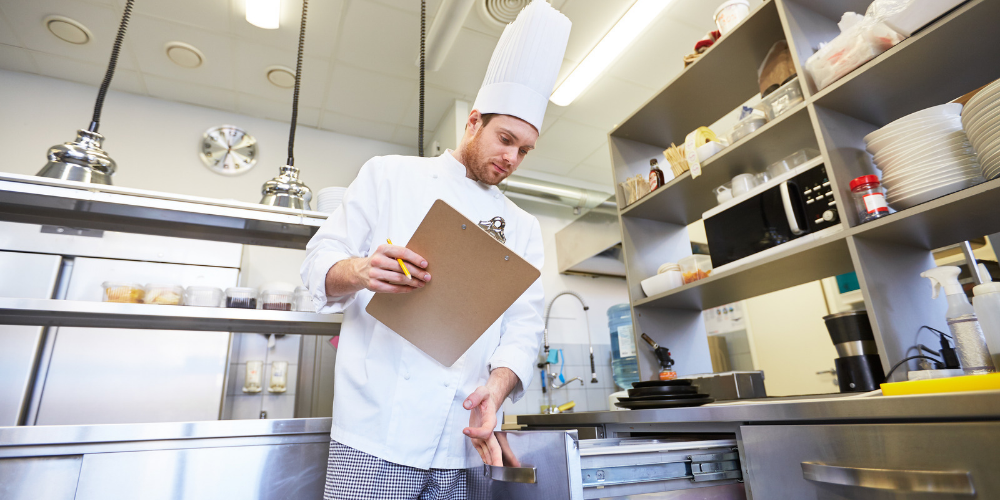
Restaurant purchasing can seem simple: check what is low, place an order, get the delivery, and pay the invoice.
In practice, UK restaurants handle many tasks. They manage fresh produce. They update menus often. They track supplier cut-off times. They plan staff rotas. They keep VAT records. They work with tight margins.
This article explores the Common challenges in restaurant purchase order management (UK) and how better purchase order management can help kitchens control costs, protect stock levels and keep service running smoothly.
Table of Contents
- What makes restaurant purchase ordering difficult in the UK?
- Why manual ordering creates avoidable risk
- Stock visibility and supplier pressure
- Approval bottlenecks and invoice matching
- How digital tools improve control
- Choosing a practical PO setup for the long term
What makes restaurant purchase ordering difficult in the UK?
Restaurant purchasing is hard because demand can change fast. Ingredients have short shelf lives. Suppliers often follow strict delivery windows. A busy UK restaurant may need to order meat, fish, dairy, dry goods, drinks and cleaning supplies from several suppliers, each with different lead times and minimum order values.
If the process is not controlled, small mistakes can cause missing menu items. They can also lead to excess stock, cash flow pressure, or avoidable food waste.
The challenge is not only placing a purchase order. It is knowing what to buy, who approved it, whether it arrived, whether the invoice matches and how that order affects tomorrow’s service. A clear purchase order management system gives managers one place to follow those decisions instead of relying on texts, spreadsheets and memory.
Why manual ordering creates avoidable risk
Many independent restaurants have relied on manual ordering for years, especially when a head chef or owner knows the suppliers personally. That can work when trade is predictable, but it becomes fragile as soon as staff change, covers rise, or a supplier misses a delivery. Manual data entry also makes it easy to mistype quantities, duplicate orders or forget to update a spreadsheet after a delivery.
A manual purchase order process is often a slow process because every stage needs chasing. Someone has to check the store room, confirm what is needed, ask for approval, send the order, wait for acknowledgement, file the paperwork and later compare the invoice. When these steps sit in notebooks or email threads, it is hard to reduce errors or see what has already been committed.
Common pain points include:
- Duplicate buying: two team members order the same item because there is no shared view.
- Missed approvals: managers only see the request after the supplier deadline has passed.
- Incorrect quantities: pack sizes, cases and kilos are confused during busy shifts.
- Weak audit trails: it is unclear who ordered what and why.
- Invoice disputes: delivery notes, invoices and purchase records do not line up.
These issues do not just affect admin. They can lead to menu substitutions, wasted ingredients and frustrated front-of-house teams dealing with unavailable dishes.
Stock visibility and supplier pressure
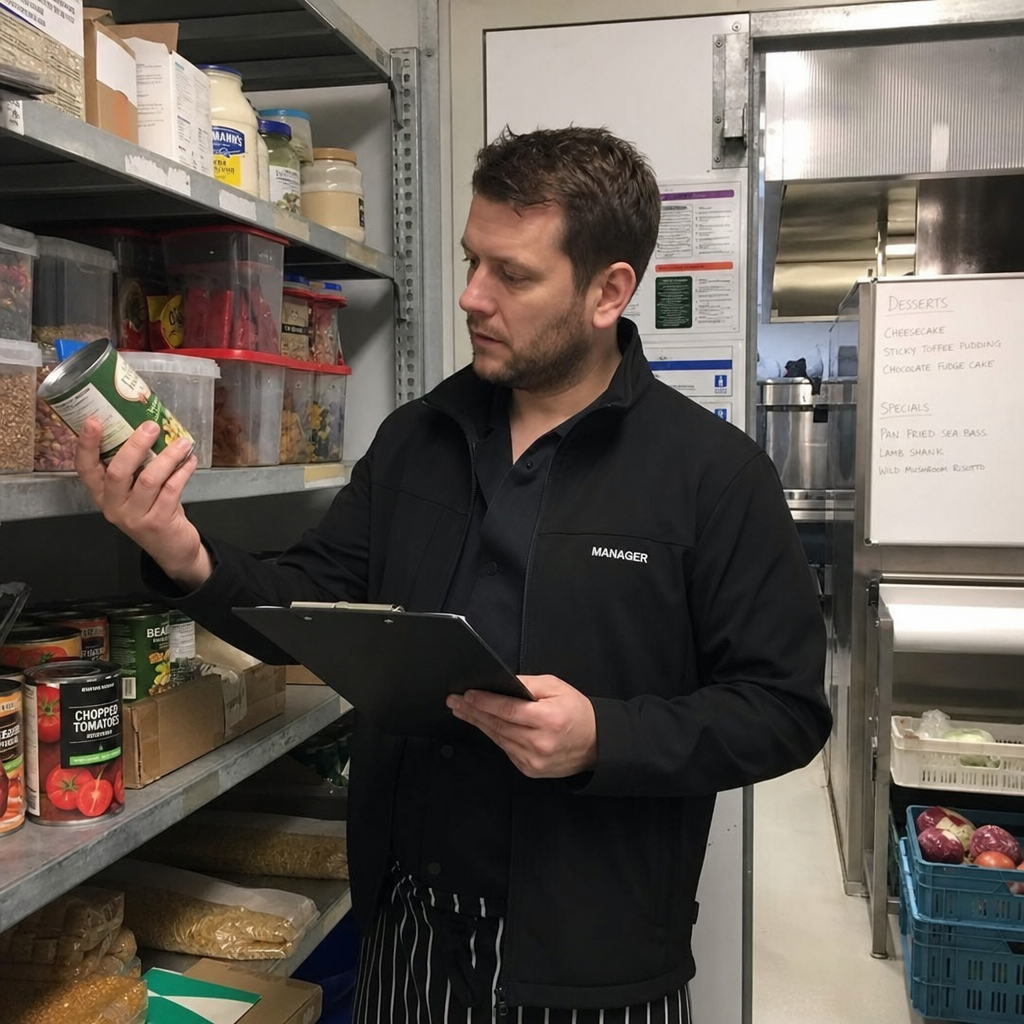
Good purchasing depends on accurate stock levels. If the team cannot see what is already in the dry store, cellar, fridge or freezer, they may over-order to be safe. That ties up cash and increases spoilage, especially for fresh produce with a short shelf life.
A purchase order inventory management system links buying decisions to actual usage. With real time inventory tracking, managers can track inventory as items are received, transferred or used. This makes it easier to spot slow-moving stock, prepare for weekend demand and avoid emergency orders at higher prices.
The wider supply chain also matters. UK restaurants may face seasonal availability, changing supplier prices, bank holiday delivery changes and minimum order thresholds. When purchasing records are clear, teams can plan earlier and ensure timely orders instead of reacting at the last minute.
Inventory management software is most useful when it reflects how the restaurant actually works. For example, a casual dining site may need simple par level alerts, while a multi-site group may need central visibility across several kitchens. Either way, the goal is to protect service while creating reduced restaurant waste and better cost control.
Approval bottlenecks and invoice matching
Approvals are a common source of delay. A chef may need ingredients quickly, but the owner or general manager may need to authorise spending first. Without purchasing approval software, requests can sit unnoticed in messages, or orders may be placed without the right sign-off.
A purchase order management software setup can route approvals to the right person before the supplier deadline. That helps restaurants keep control without slowing the kitchen unnecessarily. It also creates a record of the decision, which is useful when reviewing food costs, supplier performance or team spending habits.
Invoice matching is another frequent problem. If a delivery arrives with substitutions, missing items or changed prices, the invoice may not match the original order. Invoice purchase order software helps compare the purchase order, delivery record and invoice so discrepancies can be spotted before payment. This reduces human error and gives finance teams more confidence in the numbers.
For restaurants with regular supplier accounts, this is particularly valuable. It can reduce time spent searching through paperwork and help resolve supplier queries with clear evidence rather than guesswork.
How digital tools improve control
Digital purchasing does not need to make restaurant life more complicated. The best purchase order solutions make everyday ordering clearer, faster and easier to check. A cloud based purchase order solution allows authorised users to access order information from the office, kitchen or another site, rather than being tied to one computer.
An automated purchase order system can automate order processing by turning approved requests into supplier-ready orders. Automated systems can also flag missing approvals, low stock or unmatched invoices, helping teams act before a small issue becomes a service problem. For managers, that means fewer surprises and more time to focus on food, staff and guests.
Useful features to look for include:
- Live stock visibility: a system that updates stock levels when deliveries are received or items are used.
- Supplier order records: a clear history of every purchase order, including prices, quantities and delivery status.
- Approval workflows: controls that match the restaurant’s spending rules.
- Invoice checks: tools that compare invoices against orders and deliveries.
- Reporting: simple summaries that show spend by supplier, category or site.
A purchase order platform should support the way the business buys. For some, a lightweight po system or po software will be enough. Others may need a broader order management system that connects purchasing, stock, invoicing and reporting.
Choosing a practical PO setup for the long term
The right purchase order system for small business users should be easy to adopt, not just feature-rich. If the team finds it difficult to use during a busy lunch service, they will work around it. A practical purchase order system should save time, reduce admin and make the correct process feel like the easiest process.
When reviewing purchase order software, UK restaurants should think beyond today’s problem. A single-site venue may only need straightforward order tracking now, but growth, new suppliers or additional locations can quickly increase complexity. Choosing scalable purchase order system software helps avoid rebuilding the process later.
Consider these points before choosing a tool:
- Ease of use: Can chefs, managers and finance staff learn it quickly?
- Cloud access: Does the cloud based system allow secure access across devices and sites?
- Stock connection: Does it support real time inventory tracking and help track inventory accurately?
- Approval control: Can it reflect who is allowed to order and approve spending?
- Invoice support: Does the purchase order processing software make invoice checks simpler?
- Reporting: Can managers see trends that support better buying decisions?
Terms such as cloud purchase order system, cloud based purchase order system, purchase order tracking software, purchase order management tools and purchase order program often describe overlapping products. What matters is whether the tool fits restaurant order processes, supports supplier communication and helps the business make better decisions. A strong purchase order management system should bring orders, approvals, deliveries and invoices into one dependable view.
For many UK restaurants, the biggest benefit is consistency. When buying is structured, teams are less dependent on one person’s memory. That can improve customer satisfaction because dishes are more likely to be available, service is less disrupted and staff have clearer information when something changes.
Restaurant purchase order management is rarely about one dramatic problem. More often, it is a collection of small gaps: unclear stock levels, late approvals, scattered supplier messages, manual data entry and invoices that take too long to check. A well-chosen cloud based purchase order solution or wider purchase order management software can reduce errors, support the supply chain and create a more reliable routine for the long term. For restaurants working on tight margins, that control can make everyday operations calmer, cleaner and more profitable.
For almost 20 years, 3S POS has offered one of the most flexible EPOS systems and Restaurant Payment Solution. Our clients include international brands such as Caffe Concerto, Chaiiwala, Heavenly Desserts, Pepe’s Piri Piri, GDK and thousands more delighted customers.
If you are looking for an EPOS system for restaurants that will not just help you accept payments but includes inventory management, loyalty programs, and much more, speak to our sales for a free demo.