.svg)
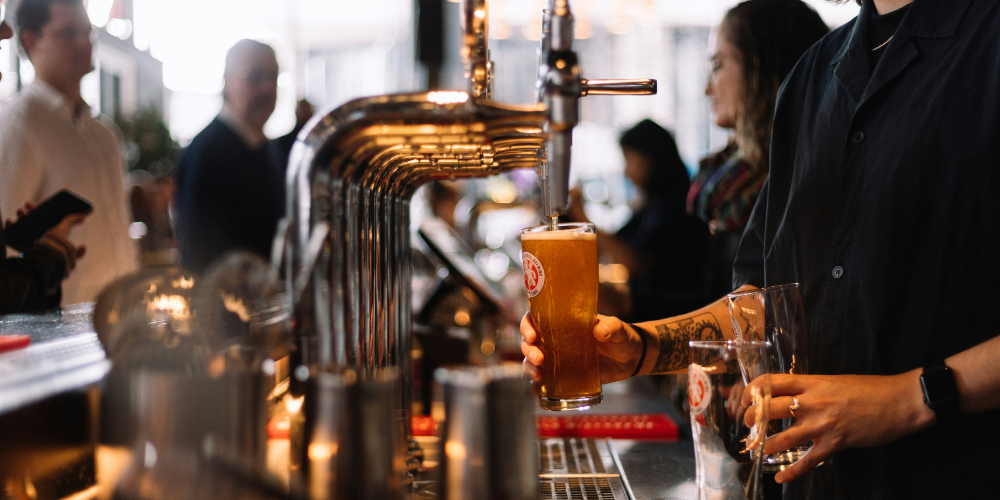
UK pub licensing is built around a simple idea: alcohol can be sold only when both the place and the people in charge meet the legal requirements. For most pubs in England and Wales, that means a premises licence for the venue, a Designated Premises Supervisor who holds a personal licence, and working practices that promote the four licensing objectives. This guide explains how the rules fit together, what a personal licence holder actually does, and what to check before you apply or take responsibility for alcohol sales.
What licence does a pub need to sell alcohol?
A pub normally needs a premises licence before it can carry out licensable activities such as selling alcohol, providing regulated entertainment, or offering late night refreshment. Where alcohol is sold under that premises licence, the business must usually name a Designated Premises Supervisor, known as the DPS, and that person must hold a personal licence. GOV.UK describes the personal licence as allowing an individual to sell alcohol on behalf of any business with a premises licence or club premises certificate.
This is where many new operators become confused. The premises licence belongs to, and controls, the premises: the trading hours, alcohol permissions, conditions, plans and operating schedule. The personal licence belongs to an individual: it allows that person to sell or authorise the sale of alcohol from licensed premises. Together, these alcohol licences create the legal framework for everyday pub trading in England and Wales.
Not every member of bar staff needs to hold a personal licence. GOV.UK states that you are not required to have a personal licence simply to be employed in a pub or other business that sells alcohol. However, if a staff member does not hold one, their sale of alcohol must still be authorised by a personal licence holder, and the business must have clear supervision arrangements that work in practice, not just on paper.
The Licensing Act 2003 sets the framework
The Licensing Act 2003 is the core licensing law for alcohol, regulated entertainment and late night refreshment in England and Wales. It requires licensing authorities to carry out their functions with a view to promoting the four statutory licensing objectives: the prevention of crime and disorder, public safety, the prevention of public nuisance, and the protection of children from harm. Each objective is treated as important, and licensing decisions are made through that lens.
For pub operators, those objectives are not abstract legal wording. They affect door policies, age verification, dispersal at closing time, staff training, incident logs, CCTV arrangements, noise control and refusal of service to intoxicated customers. A licence never simply “authorises the protection of children from harm” as a separate activity; instead, the law expects the pub to run all relevant licensable activities in a way that actively protects children and the wider community.
Personal licences and premises licences work together
A useful way to understand licences and permits for pubs in the UK is to separate the venue from the person. The premises licence says what the pub is allowed to do, where, when and subject to what conditions. The personal licence confirms that a named individual has met the legal requirements to supply alcohol or authorise the sale of alcohol at licensed premises.
For example, a pub premises licence may permit on-sales of alcohol until a stated time and include conditions about door supervision, CCTV, noise management or age checks. The personal licence holder does not rewrite those permissions. Their job is to ensure alcohol sales take place within the terms of the premises licence and in a way that supports compliance.
This distinction matters when businesses change hands. If you buy or take over a pub, do not assume the licensing position is automatically safe because the bar is already trading. The premises licence, DPS nomination, licence conditions and management controls should all be checked before alcohol sales continue under the new operation.
Who is the Designated Premises Supervisor?
The DPS is the individual named on the premises licence as the main person responsible for day-to-day alcohol sale management. GOV.UK says the DPS acts as the primary contact for local government and the police, must understand the social issues and potential problems linked to alcohol sales, and must know the business well enough to represent it. The DPS does not have to be on site at all times, but they are expected to be sufficiently involved and contactable.
Every pub that sells alcohol under a premises licence normally needs one DPS, unless a community premises has successfully applied for the alternative arrangement that removes the usual DPS requirement. The same person may be DPS for more than one business, but that should be approached carefully. If a person is named but has little operational control, the arrangement may look compliant on paper while creating practical risk when police, environmental health or the licensing authority raise concerns.
In daily terms, the DPS should be able to answer questions such as: Who is authorised to sell alcohol today? What happens if a customer appears drunk? How are refusals recorded? Are temporary events or extended hours properly covered? Who checks that conditions in the premises licence are being followed?
What does a personal licence holder do in practice?
A personal licence holder may sell alcohol themselves or authorise others to do so. GOV.UK explains that anyone who does not hold a personal licence must be authorised by a personal licence holder when selling alcohol under a premises licence. That does not mean the personal licence holder must physically approve each pint or bottle; it means the business needs a clear and accountable system of authorisation.
A well-run pub will usually document who has been authorised, train staff on the conditions of the premises licence, and make sure supervisors know when to escalate issues. The personal licence holder’s influence is most visible when something goes wrong: an underage sale, a violent incident, noise complaints, sales outside licensed hours, or repeated failures to refuse service. In those moments, licensing authorities and police will look at management systems, staff training and whether the licence holder took responsibility.
Practical responsibilities often include:
- Making sure staff understand the premises licence conditions and trading hours.
- Setting clear rules for age verification, refusals and intoxicated customers.
- Keeping records such as refusals logs, incident logs and training notes where relevant.
- Reviewing the operating schedule and licence conditions before events, seasonal peaks or changes in trading style.
- Acting as a point of contact for the police, licensing officers and other responsible authorities.
- Promoting the prevention of crime, good customer management and safe closing routines.
Applying for a personal licence
To apply for a personal licence in England and Wales, you must generally be at least 18, hold a relevant accredited licensing qualification, and provide a basic criminal conviction disclosure. GOV.UK names the BIIAB Level 2 Award for Personal Licence Holders as an example of a relevant qualification and explains that the purpose is to ensure licence holders understand licensing law and the wider social responsibilities involved in alcohol sales.
The application is made to the relevant licensing authority, usually the local council for the area where you live. The standard application fee for the grant of a personal licence is £37, and a basic DBS check has its own fee. GOV.UK’s DBS guidance states that basic DBS checks cost £21.50 for all applicants, including volunteers, at the time of the cited guidance. Because fees can change, applicants should still check the latest GOV.UK and council information before submitting.
A typical application pack includes:
- A completed personal licence application form.
- Evidence of an accredited qualification, often the award for personal licence holders.
- A basic DBS certificate or accepted criminal record disclosure.
- A declaration of convictions and relevant offences.
- Proof of the right to work in the UK where required.
- The prescribed application fee.
- Passport-style photographs if requested by the licensing authority.
Relevant criminal convictions or foreign offences can affect whether a licence is granted. If there are concerns, the police may become involved and the licensing authority may need to consider whether granting the licence would undermine the prevention of crime and disorder objective. Applicants should answer disclosure questions accurately; incomplete or misleading information can create more difficulty than a properly explained issue.
The award for personal licence holders is more than a certificate
The award for personal licence holders is often treated as an administrative hurdle, but it has a practical purpose. It introduces the legal duties behind alcohol sales, the role of responsible authorities, the limits of a premises licence, underage sales controls, and the expectations placed on a personal licence holder. The aim is not to turn every licence holder into a solicitor, but to ensure they understand the rules before they are allowed to authorise alcohol sales.
For a prospective pub manager, this qualification can also be a useful confidence check. If topics such as temporary event notices, mandatory conditions, age-restricted sales, police objections or licence reviews feel unfamiliar, the course highlights the areas that deserve attention before taking on DPS responsibility. Passing the qualification is only the beginning; applying the knowledge consistently is what protects the business.
The operating schedule turns legal aims into pub procedures
When applying for a premises licence, the operating schedule is a key part of the application. GOV.UK guidance explains that the form asks applicants to describe steps they will take to promote the licensing objectives. The schedule can cover matters such as how alcohol will be sold, proposed hours, the DPS where alcohol is included, and practical measures linked to the four objectives.
A strong operating schedule is specific to the premises. A quiet village pub, a late-night town-centre bar and a food-led restaurant with a small bar area may all sell alcohol, but their risks and controls differ. Copying generic wording may leave gaps if the local authority, police or residents ask how the premises will prevent crime and disorder, protect public safety, reduce nuisance or manage children’s access.
Useful areas to consider include:
- Crime and disorder: CCTV, staff training, incident recording, refusal policies, door supervision where appropriate and communication with local police.
- Public safety: capacity management, safe access and exit, glass collection, fire safety arrangements and crowd control during busy periods.
- Prevention of public nuisance: noise management, garden use, waste collection times, customer dispersal and clear closing procedures.
- Protection of children from harm: age verification, Challenge 25-style policies, staff training, family areas, supervision and restrictions where appropriate.
What happens if a pub gets licensing compliance wrong?
Non-compliance can lead to enforcement action, a licence review, extra conditions, suspension or revocation of the premises licence. GOV.UK guidance notes that responsible authorities and others may make representations or seek review where issues relate to the licensing objectives, and the licensing authority must consider those objectives when deciding what steps are appropriate. (gov.uk)
The practical consequences can be severe even before formal penalties are imposed. A pub facing a review may spend management time gathering records, attending hearings and rebuilding trust with neighbours and authorities. If the premises licence is suspended or revoked, the commercial impact can be immediate because alcohol sales are often central to the business model.
Common pitfalls include:
- Assuming all staff can sell alcohol without proper authorisation.
- Naming a DPS who is not meaningfully involved in the business.
- Ignoring licence conditions after a refurb, change of layout or change in trading style.
- Failing to record refusals, incidents or staff training.
- Allowing noise, queues or dispersal problems to become a prevention of public nuisance issue.
- Treating age verification as informal rather than a managed process.
- Applying late for a DPS variation, transfer or event-related permission.
Daily habits that support the licensing objectives
Good licensing compliance is usually built from ordinary habits rather than dramatic interventions. A pub that keeps its authorisations current, trains new starters promptly, reviews incidents and responds quickly to complaints is easier to defend than one that relies on memory and informal custom. The DPS and personal licence holder should make compliance part of routine management.
A practical checklist for pub operators includes:
- Keep a copy or summary of the premises licence available to managers.
- Make sure supervisors know the licensed hours and any seasonal variations.
- Record which staff are authorised to sell alcohol.
- Refresh staff training after incidents, complaints or changes in law or licence conditions.
- Check that the named DPS is still correct after management changes.
- Review outside areas, smoking areas and customer dispersal for nuisance risk.
- Keep evidence of communication with police, licensing officers or environmental health where relevant.
- Update the licensing authority when required, such as for name or address changes.
These steps help show that the business takes licensing seriously. They also make it easier for staff to make consistent decisions during busy service, when mistakes are most likely.
England, Wales, Scotland and Northern Ireland are not identical
This article mainly covers England and Wales because that is where the Licensing Act 2003 framework applies. Scotland has a separate regime under the Licensing (Scotland) Act 2005, with licensing boards, Scottish personal licences and different renewal and training rules. Scottish Government guidance states that a personal licence in Scotland allows an individual to train staff, apply for occasional licences and authorise or supervise alcohol sales, and that it generally has effect for 10 years unless surrendered or revoked.
Northern Ireland also has a different system. NI Direct explains that alcohol can be sold only in licensed premises, that applications for liquor licences are made to the County Court, and that a court can grant a licence for up to five years where conditions are met. So, while the broad idea of controlled alcohol sales is UK-wide, the routes, authorities and terminology differ significantly between England and Wales, Scotland and Northern Ireland.
If your business operates across borders, avoid assuming one licence or process transfers neatly into another jurisdiction. A personal licence issued for England and Wales should not be treated as a substitute for Scottish or Northern Irish requirements. Always check the official route for the nation where the premises is based.
Key takeaways for pub operators
Pub licensing becomes easier to manage when you separate three questions: is the premises licensed, who is personally authorised, and how are the licensing objectives being promoted day to day? The premises licence controls the venue, the personal licence holder can sell or authorise alcohol sales, and the DPS provides the named management link for most alcohol-selling pubs in England and Wales.
Before opening, buying or managing a pub, check the licence conditions, the operating schedule, the DPS position and staff authorisation arrangements. If you plan to apply for a personal licence, complete the accredited qualification, gather your disclosure documents and submit a complete application to the correct council. Above all, treat licensing as an ongoing management responsibility rather than a one-off formality; that approach is what keeps alcohol sales lawful, safer and more resilient when questions are asked.
For almost 20 years, 3S POS has offered one of the most flexible EPOS systems to international brands such as Caffe Concerto, Chaiiwala, Heavenly Desserts, Pepe’s Piri Piri, GDK and thousands more delighted customers.
If you are looking for a Pub Till System that will not just help you accept payments but includes staff management, inventory management, multi-site management, loyalty programs, and much more, speak to our sales for a free demo.