.svg)
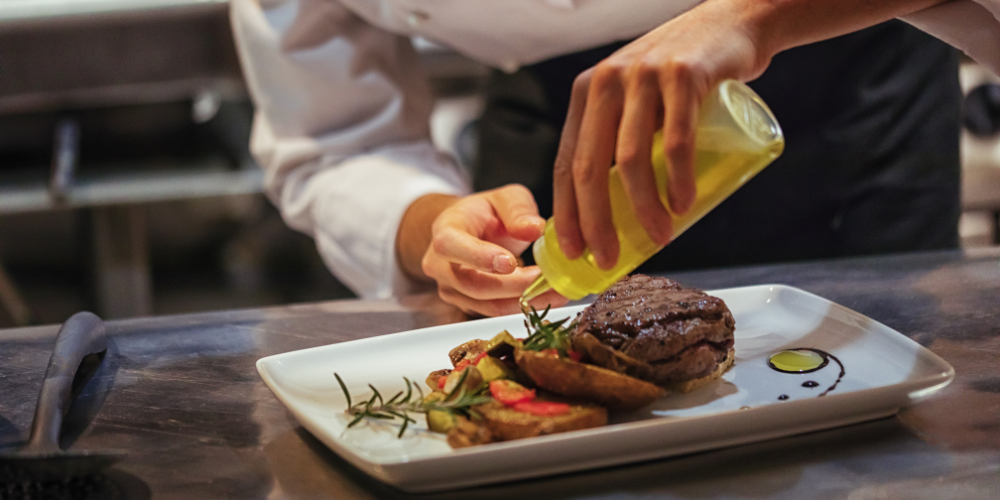
Opening the doors to your own restaurant is an incredibly exhilarating milestone. However, the UK hospitality landscape is famously competitive. With consumer spending changing, new businesses face uncertainty. Ingredient prices can rise or fall. High overheads, such as business rates, add extra pressure. The first six months can be volatile.
Statistically, the primary reason new hospitality businesses falter early on isn’t a lack of culinary talent, unique concepts, or passion. Instead, it almost always comes down to operational friction, hidden overheads, and mismanaged capital. Surviving this crucial window—and eventually thriving—requires a laser focus on strict cash flow management, tight operational discipline, legal compliance, and leveraging smart technology right from day one.
This comprehensive guide walks you through the vital practical strategies needed to navigate your UK restaurant's first six months successfully, keeping your margins protected, your team motivated, and your doors open for the long haul.
1. Perfecting the Art of Cash Flow Management
When you first launch your business, your financial priority isn’t immediately hitting massive profit margins—it is pure survival. To stay afloat, you must know your exact break-even point down to the single penny. This is the absolute minimum amount of revenue your restaurant needs to generate each day, week, and month just to cover fixed overheads (such as rent, insurance, and utilities) alongside your variable costs (like staffing and food prep).
Build a Robust Runway Buffer
Many new restaurateurs make the costly mistake of exhausting their entire startup capital on premium interior fit-outs, high-end kitchen appliances, and expensive marketing launches. This leaves them with zero cash reserves. When you open a restaurant, you cannot assume you will be packed from night one.
Ideally, you should launch with at least three to six months of working capital safely tucked away in a reserve bank account. This financial cushion handles the inevitable quiet trading periods, slow midweek lunch shifts, and sudden equipment repair bills that catch new owners off guard. If your extraction fan breaks or a refrigeration unit fails in week four, your runway buffer will save your business.
Negotiate Dynamic Supplier Terms
In your first few months of trading, UK food and drink suppliers will likely insist on cash-on-delivery (COD) terms. This is normal because your new business lacks a proven credit history. Pay these initial invoices promptly and completely to build strong professional trust.
Once you have hit the three-month mark of consistent trading, proactively negotiate with your suppliers for 14-day or 30-day payment terms. This small operational adjustment dramatically frees up your active working capital. It allows you to balance your outgoing expenses smoothly against your weekly card takings rather than draining your cash before the food is even sold.
2. Navigating Legal Requirements and Compliance
Operating a restaurant in the UK means stepping into a strictly regulated environment. Failing to meet your core legal requirements can result in severe fines, forced closures, and permanent damage to your brand reputation before you even get off the ground.
Food Safety and Hygiene
Maintaining impeccable standards of food safety is non-negotiable. Before you serve a single dish to the public, your local authority’s Environmental Health Officer (EHO) will inspect your premises to award a Food Hygiene Rating. To achieve the coveted 5-star rating, your kitchen must have clear, documented procedures based on the principles of HACCP (Hazard Analysis Critical Control Point).
Furthermore, you must ensure that all kitchen staff and front-of-house servers hold the correct, valid food hygiene certificates. For chefs and kitchen managers, a Level 2 or Level 3 Food Safety in Catering certificate is standard practice. Keeping digital copies of these certificates organised in your office proves to inspectors that your team is fully trained in safe food handling, cross-contamination prevention, and allergen control.
Hire Staff ➔ Verify Food Hygiene Certificates ➔ Implement HACCP Plan ➔ Achieve 5-Star EHO Rating
Business Rates and Licences
Do not forget to budget for your local business rates. This is a tax levied on non-domestic properties, and it can be a substantial monthly drain on your cash flow. Look into whether your business qualifies for Small Business Rate Relief or specific retail and hospitality discounts offered by the UK government.
Additionally, ensure your Premise Licence (for selling alcohol or providing late-night refreshment) is fully active and that your Designated Premises Supervisor (DPS) is correctly named on the paperwork to avoid costly legal compliance interruptions.
Learn more about licences and permits for restaurants in UK in our latest blog.
3. Nail the Soft Launch to Iron Out Creaks
Do not make the mistake of opening your doors to the general public with a massive, unvetted grand opening. If your kitchen line slows down, customers may get upset. If your food runners mix up orders, customers may not come back. If your payment system fails on the first night, customers may not return.
Instead, they will immediately hop onto Google Reviews or TripAdvisor, leaving negative feedback that is incredibly difficult to overwrite later.
Instead, execute a controlled soft restaurant launch over a period of 5 to 7 days to test your systems safely.
Run Friends and Family Nights
Run your first few test services at 50% capacity for an invited audience of friends, family, and local business neighbours. Offer the food at a steep discount or completely free of charge in exchange for honest feedback regarding portion sizes, wait times, pricing, and food quality. This creates a low-pressure environment where your team can practice working together under real service conditions.
Simulate Peak Hours Stress
Use these test shifts to intentionally stress-test your kitchen workflow, staff communication, and your EPOS system. It is infinitely better for a kitchen ticket printer to jam or a menu modifier button to be missing when your cousin is sitting at table four than when an influential local food critic or a paying customer is dining. Use the soft launch data to tweak your layouts, adjust your recipes, and refine your service pacing.
4. Keep a Tight Grip on Food Costs and Inventory Control
In the early stages of running a restaurant, food waste is a silent profit killer. Because you do not yet have months of historical sales data to predict your exact weekly footfall, over-ordering perishable ingredients can quickly sink your financial margins.
Embrace Strict Inventory Control
Implement a rigorous daily and weekly stock-taking routine from week one. Do not leave inventory tracking to guesswork, paper notebooks, or complicated, manual spreadsheets. Use a modern, integrated platform like your 3S POS system to track your ingredient usage dynamically down to the precise gram, millilitre, or individual slice.
When your EPOS platform links seamlessly with your inventory, your stock levels deplete automatically in real time as dishes are ordered at the till. This clear visibility highlights hidden wastage patterns, kitchen theft, or over-portioning issues immediately. If your chefs are using too much steak or wasting expensive fresh seafood, you will see it on your dashboard before it ruins your monthly profit and loss statement.
Strategic Menu Engineering
Keep your initial menu lean, simple, and highly focused. A massive, five-page menu requires a complex, expensive inventory profile, which heavily increases the likelihood of ingredients spoiling in your walk-in fridge. Focus instead on cross-utilising core ingredients across multiple dishes. For example, use the same seasonal berries across your dessert menu, cocktail list, and breakfast specials.
Use data-driven menu management strategies to evaluate your sales mix after your first 30 days of trading. Identify your "stars" (dishes that are highly popular and bring in high profits) and your "dogs" (dishes that have low popularity and low profits). Be completely ruthless. If a menu item isn’t selling well and carries a high prep time or volatile food costs, cut it from your menu immediately to streamline your kitchen operations.
Read more about menu pricing here.
5. Optimise Staffing and Combat Early Staff Turnover
The UK hospitality sector experiences notoriously high rates of staff turnover. Hiring, onboarding, and training replacement team members is an expensive, time-consuming process that disrupts your operational consistency and hurts the guest experience.
Build a Positive Workplace Culture Early
Your opening team will set the cultural tone for your restaurant for years to come. Invest time in clear onboarding, establish transparent standard operating procedures (SOPs), and treat your floor and kitchen teams with genuine respect. Ensure your team understands the importance of food safety regulations, clean workspaces, and great service. A happy, motivated team naturally delivers better hospitality, which directly influences your guest satisfaction and increases your average spend per head.
Data-Driven Scheduling
Payroll is easily one of your most significant ongoing expenses. Overstaffing a quiet Tuesday afternoon drains your vital cash reserves, while understaffing a bustling Friday night ruins the customer experience and burns out your workers.
Use the advanced reporting tools within your 3S POS platform to cross-reference your labour schedules directly against your live hourly sales data. By identifying your exact peak trading hours early on, you can construct optimised staff rotas. Schedule your strongest kitchen and front-of-house teams to arrive exactly when demand spikes, keeping your labour costs perfectly balanced against your live revenue streams.
6. Focus on Hyper-Local Customer Acquisition
In your first six months, you shouldn’t worry about becoming a nationally recognised brand or attracting customers from miles away. Your immediate goal is to win over your local neighbourhood and build a solid, dependable customer base of regular diners who live, work, or shop within a two-mile radius of your front door.
Leverage the Power of Social Media
Organic and paid social media marketing is your most cost-effective tool for building early brand awareness. Social Media platforms like Instagram and TikTok are highly visual, making them perfect for showcasing your restaurant’s unique identity:
- Behind-the-Scenes Content: Share the human story behind your restaurant. Post short video clips of your chefs prepping fresh ingredients, your bartenders mixing signature summer cocktails, or your team setting up the dining space.
- User-Generated Content: Encourage your early guests to share photos of their meals on their personal grids and stories. Create a unique, memorable geotag and hashtag for your venue, and actively engage with every single comment, tag, and review. This builds a digital community and drives social proof that attracts nearby diners looking for somewhere new to eat.
Implement Low-Cost, High-Impact Local Marketing
- Google Business Profile: Claim and fully optimise your Google Business Profile. Ensure your opening hours, address, phone number, and a link to your website are 100% accurate. When locals search for "best restaurants near me," a fully detailed profile with crisp photos of your signature dishes and up-to-date details will capture that high-intent traffic.
- Local B2B Partnerships: Drop by nearby offices, boutiques, salons, and gyms. Introduce yourself to the managers, hand over a physical menu, and offer them an exclusive "neighbour discount" (e.g., 10% off mid-week lunches). Turning the local working crowd into your core lunch rush is a fantastic way to sustain trade during slower weekdays.
Conclusion: Set Up for Long-Term Success with 3S POS
Surviving your UK restaurant’s first six months is entirely about building a solid, resilient operational foundation. By safeguarding your cash flow, meeting all legal requirements, verifying food hygiene certificates, executing a structured soft launch, and maintaining strict control over your food costs, you eliminate the common pitfalls that threaten new hospitality startups.
You cannot afford to let clunky, disjointed technology slow down your service, confuse your staff, or cloud your financial visibility during these critical formative months.
Partnering with an industry-leading provider like 3S POS gives your new venture a distinct competitive edge right from the starting gate. Our fully unified hospitality ecosystem integrates intuitive front-of-house tills, handheld mobile ordering terminals, automated inventory tracking, and deep cloud-based sales reporting into one seamless, easy-to-use platform. With 3S POS driving your operations, you gain the precise control and real-time insights required to protect your margins, delight your guests, and guarantee long-term business growth.
You can also read more about the cost of opening a restaurant in the UK in our latest blog.
Ready to safeguard your restaurant's future and streamline your operations from day one? Contact the expert team at 3S POS today to arrange your tailored, no-obligation system demo.
For almost 20 years, 3S POS has offered one of the most flexible EPOS systems and Restaurant Payment Solution. Our clients include international brands such as Caffe Concerto, Chaiiwala, Heavenly Desserts, Pepe’s Piri Piri, GDKand thousands more delighted customers.
If you are looking for an EPOS system for restaurants that will not just help you accept payments but includes inventory management, loyalty programs, and much more, speak to our sales for a free demo.